


Somatic cells in the human body are capable of a large number of mitoses.It is precisely thanks to this characteristic of our body that it can exist independently for a long time in the external environment and repair damaged tissues or dead cells.
Unfortunately, the number of these departments is severely limited and each one is individual.In this regard, when people reach old age, various diseases begin to appear.Arthropathy is considered one of the most common diseases, since the pain syndrome accompanying this pathology significantly reduces the patient's quality of life.
Shoulder arthritis, or arthropathy of the shoulder joint, has become a serious problem that interferes with normal work and daily tasks.It is this disease that will be discussed below; we will analyze the causes of shoulder joint disease, the symptoms and treatment of this unpleasant pathology.
what is it?
The occurrence of shoulder joint disease is accompanied by the interruption of the normal blood supply to this important bone joint, resulting in a reduction in the thickness of the cartilage tissue and exposure of the bone.Due to the increased friction, one notices the appearance of pain, which, depending on the degree, can manifest itself only during physical activity or even at rest.
Due to damage to the surrounding anatomical structures, an inflammatory process is observed, exacerbating the decrease in active and passive range of motion of the upper limbs.Lack of proper treatment often leads to complications of joint deformation called deformative osteoarthritis.
anatomy of shoulder joint
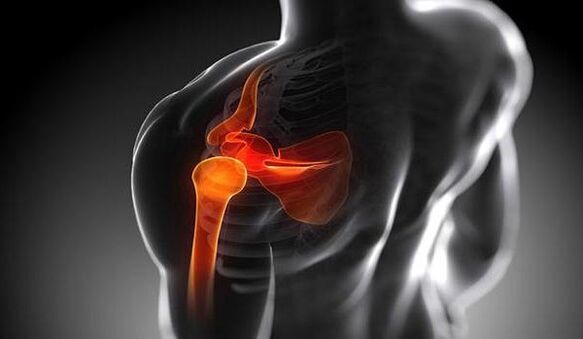
The shoulder joint is a ball and socket joint; it is this structure that allows a person to perform a variety of movements with the upper limbs.Three large bones come together in this anatomical area, including the scapula, clavicle, and the humerus itself.The joint capsule is quite deep and reinforced by the entire ligamentous complex.
Due to some anatomical characteristics of the shoulder joint structure, spontaneous dislocations and subluxations often occur in this area when working at home.The ease and variety of movements are due not only to the spherical shape of the joint surfaces, but also to the presence of large amounts of special synovial fluid, which reduces friction between the surfaces.
Causes of Shoulder Arthritis
The diseases presented in the article occur due to the influence of a complex series of predisposing factors.Clinical studies conducted at many leading research institutions have made it possible to reliably establish the pathophysiological mechanisms underlying changes in bone and cartilage tissue during arthropathy.However, a reliable "trigger" has never been discovered.

In most cases, this degenerative disease occurs secondary, that is, after some pathogenic action on the shoulder joint.
Retrospective analysis of the medical history of patients with this pathology in the shoulder region allows the identification of influences that may significantly increase the likelihood of developing this disease.
These include:
- Excessive physical activity causes thinning of joint surfaces;
- Frequent falls and injuries to arms and other upper limbs;
- occupational hazards;
- congenital connective tissue pathology;
- Impaired mineral metabolism with crystal deposits on the humeral head;
- decreased synovial fluid production;
- Age-related structural changes in blood vessel walls leading to skeletal dystrophy;
- Lack of appropriate medical treatment in the presence of acute or chronic inflammatory processes in the joint space;
- Neuropathology leads to nutritional deficiencies in the musculoskeletal system;
- Being overweight and having persistent swelling of your upper limbs;
- Endocrine system diseases.
primary shoulder joint
Modern medical classification of the shoulder joint distinguishes two types based on the cause of its development: primary and secondary.In the case of primary diseases, the diagnosis can only be confirmed after a full range of diagnostic measures have been carried out to completely exclude the presence of the above-mentioned causes of the disease.It is believed that the starting point of the pathogenesis is a worsening of system-wide blood flow in the context of reduced myocardial contractility or vessel wall permeability.
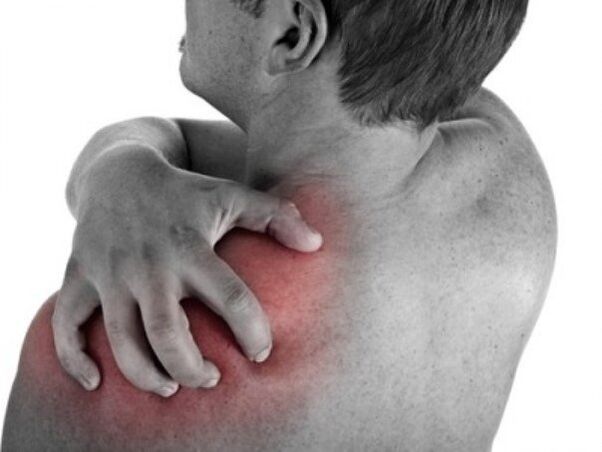
Over time, people begin to notice unpleasant sensations with shoulder movement.Initially, discomfort occurs during exercise and then disappears even at rest.Another reason for the rapid progression of the disease is the appearance of so-called osteophytes.The formation of these spurs is due to a compensatory increase in chondroclast activity in an attempt to replenish the loss of mature chondrocytes.They have a spiky appearance, which when moved causes injury to the capsule and a sterile inflammatory process.
Against the background of the described changes, fibrin filaments appear in the synovial fluid, which penetrate into the ligamentous apparatus during prolonged rest.Due to the decrease in elasticity of the white muscle fibers, a unique "stiff" feeling appears, which usually disappears after 20-30 minutes of limb development.There are noticeable symptoms in the shoulder joint, the intensity and treatment of which are directly proportional to the extent of the developmental process.
Secondary arthropathy of shoulder joint
Secondary forms of the disease are the result of the presence of underlying pathology and are complicated by dysfunction of the musculoskeletal system.Of these causes, acute or chronic trauma is the most common.This problem is especially important in the cold season, when a person falls frequently, extending the hand forward to reduce the force of the fall.
Enzymopathy is a congenital disorder accompanied by a reduced production of specific enzymes that make up the ligamentous apparatus and may also lead to the development of secondary arthropathy of the shoulder joint.These patients often experience dislocations and subluxations while performing daily activities.Loosening of this bone joint can increase trauma to the contact surfaces, leading to the occurrence of disease.
Symptoms and signs
Symptoms and treatment of the shoulder joint are complex; due to certain characteristics of the characteristic signs, its detection often occurs late in the development of the pathological process.Experts divide the destruction of cartilage tissue in the upper limbs into three levels.According to them, patients also vary in the complexity of their symptoms.
In the first stage of the disease, patients rarely notice shoulder pain; most commonly, discomfort occurs during or immediately after strenuous exercise.In this case, it takes several days for the patient to recover and completely resolve the discomfort in the joint.Precisely because of the tendency to attribute pain to the manifestations of a simple ligament sprain (in his opinion), the disease continues to develop, reminding itself more and more often.
The clinical manifestations of second-degree shoulder joints are more vivid.This is because in addition to eroding and destroying normal nutrition of the joint surface, secondary inflammation occurs and spreads to the ligaments and surrounding muscle fibers.This disease causes pain with even minor physical exertion.Due to severe pain, the patient was unable to perform circular movements, which indicates that the process of osteoarthritic deformation has begun and the active range of movement of the hand in space is limited.
Grade 3 progression results in almost complete loss of mobility in the shoulder joint.Patients note significant muscle atrophy and loss of the ability to care for themselves.Another characteristic symptom is the appearance of bony protrusions above the surface of the skin.The possibility of developing this disease exists mainly in those who do not have the opportunity to minimize the load on the upper limbs due to professional activities or professional sports.
Diagnosis of Shoulder Arthritis
Establishing a diagnosis of shoulder arthritis is a process that requires expert skill.After the onset of pain in the upper limbs, it is recommended to consult an orthopedic traumatologist.This type of doctor possesses comprehensive necessary knowledge.
During the examination, the first thing to pay attention to is the patient's chief complaint and medical history.Your doctor will find out why the pain occurred, the nature of the pain, and what happens after the pain goes away.Secondly, the presence of occupational hazards and risk factors needs to be identified.
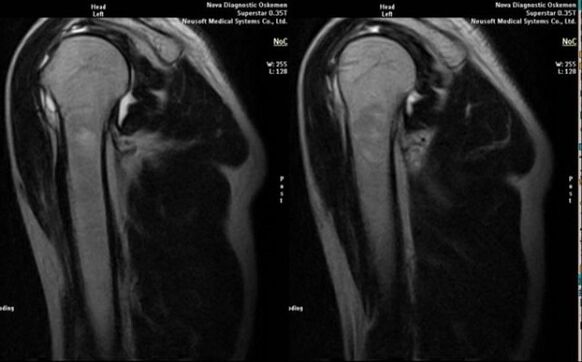
The main diagnostic method for detecting deforming osteoarthritis of the shoulder joint is simple radiography.
The next stage is the physical examination, where the specialist uses palpation to identify the painful area and determine the full range of active and passive movement of the limb.In addition, the bone-articular projection area was evaluated for the presence of local edema and increased skin temperature.Based on the data obtained, doctors can make a preliminary diagnosis, but a differential diagnosis is needed to formulate the most appropriate treatment.
In order to establish the most correct diagnosis, extent of process, and identification of possible causes, patients are subjected to a variety of additional laboratory and instrumental diagnostic methods.
The richest information includes:
- clinical blood tests;
- Determination of serum biochemical parameters;
- clinical urinalysis;
- X-rays of affected joints;
- diagnostic ultrasound;
- Arthroscopy;
- magnetic resonance and computed tomography;
- scintigraphy;
- Arthrocentesis followed by biochemical analysis of the synovial fluid.
Signs that directly indicate the development of arthropathy include significant narrowing of the joint space, sclerosis of the subchondral structures, thinning of the chondrocyte layer itself, the appearance of osteophytes, and the deposition of salt crystals in the intraarticular fluid.
How to Treat Shoulder Arthritis
After diagnosis, doctors are faced with the serious question of choosing the most appropriate treatment strategy.Modern medicine has reached a level where it can help patients with diseases of the musculoskeletal system completely return to normal life.

Treatment of the shoulder joint is long-term and often leads to complications.
The shoulder correction method chosen depends directly on the following factors:
- degree of process;
- the patient’s general condition;
- age;
- physiological characteristics.
Usually, in the early stages, it is enough to prescribe drugs of systemic and local action.
In the presence of second-degree arthropathy of the shoulder joint, it is almost impossible to completely stop the symptoms accompanying the disease.The patient's physical activity is significantly reduced in order to prevent the further development of the pathological process; at the same time, a series of drugs are prescribed.
The Third Estate was virtually immune to conservative influence.In the presence of such advanced disease, surgical treatment is required, the amount of which depends on many factors and is chosen directly by the attending physician.Next, we will discuss in more detail the various methods available to eliminate joint disease.
drug
For this disease, the following groups of drugs are used as conservative treatment:
- Glucocorticoids;
- Nonsteroidal drugs with anti-inflammatory effects;
- analgesics;
- Drugs with chondroprotective effects.
Medications belonging to this group have a more pronounced anti-inflammatory effect than non-steroidal drugs.
Glucocorticoids are considered the most effective drugs against inflammatory phenomena.Natural and synthetic analogs of these adrenal hormones can significantly influence the production of inflammatory neurotransmitters.This reduces local swelling, pain and temperature in affected areas of the musculoskeletal system.
Disadvantages of this treatment include the substantial side effects of glucocorticoids.The proposed drug can cause Cushing's syndrome, leading to general metabolic disorders and water retention in the intercellular spaces.In this regard, it is recommended to start treatment with a prescription of NSAIDs.
Non-steroidal drugs with anti-inflammatory properties act directly on the cyclooxygenase molecule, thereby inducing inflammation in damaged tissue.
Selective drugs that have no harmful effects on the mucosa of the gastrointestinal tract are preferred.
Narcotic and non-narcotic analgesics are used depending on the severity of the patient's condition and the severity of the pain syndrome.
The first group was considered more effective, but addictive side effects of the drug led to the need to severely limit its use.
Non-opioid medications have less pronounced analgesic effects but do not cause addiction, allowing for wider use.
It is very important not to use chondroprotectants during the acute phase of the disease, as this can lead to an exacerbation of the inflammatory process.It is necessary to stop the attack and then prescribe a long-term course of drugs to restore the joint structure.
surgical treatment
In some cases, surgical correction of the condition is required in shoulder patients.This invasive method is used in cases where there is a severely destructive process directly in the joint.Most often, patients who undergo surgical treatment are unable to perform daily tasks due to severe limitations in active and passive shoulder motion.
Once the final diagnosis has been established, a series of measurements are performed, during which the optimal parameters for the future prosthesis are selected.Next, a custom-made graft made of high-strength polymer or titanium is created.
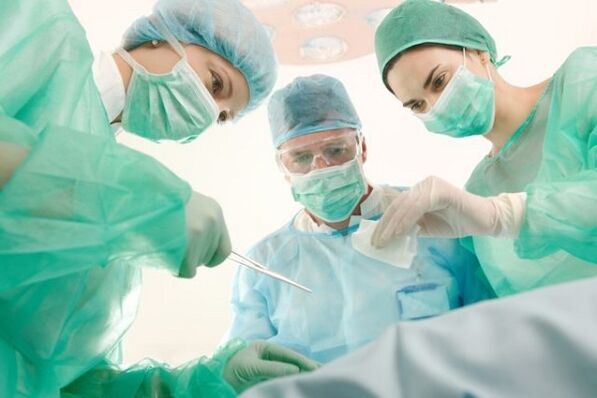
Surgery on the shoulder joint is performed in the terminal (final) stages of the disease.
The scope of surgical intervention is quite extensive, so patients need to undergo a long preparation period.Complete replacement of the affected bone and joint followed by a period of physical therapy to restore full function of the upper limb girdle.
therapeutic exercise
Physical exercises allow the shoulder to regain mobility in the shortest possible time, not only after surgical treatment, but also during the influence of medications on the disease.The specially developed complex relieves morning stiffness, stimulates blood supply, normalizes lymphatic drainage and restores the normal composition of synovial fluid.
It is extremely important that rotation and adduction movements of the upper limb are performed without additional load, otherwise additional trauma and cartilage destruction are likely to occur.Rehabilitation specialists work on developing special physiotherapy complexes.
Each clinical case requires an individual treatment, so if you have a disease or want to stop its progression, seek help from this doctor.
Suggestions for treatment at home
Any disease must be treated in a hospital under the supervision of highly qualified medical personnel.However, in some cases, patients do not have the opportunity to stay in the clinic long-term.In this case, you need to monitor your recovery process independently.
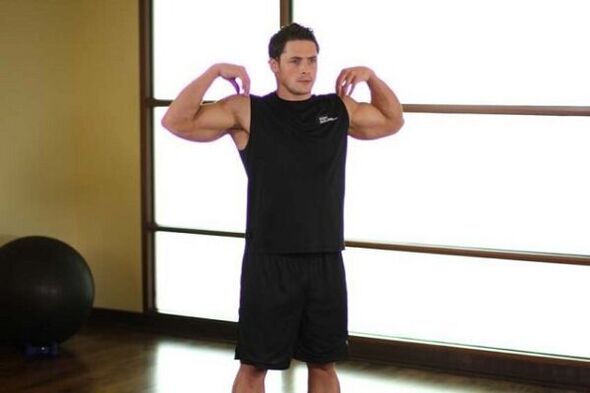
Physical exercises are extremely important for shoulder deformities because they can slow the progression of the disease.
The following recommendations should be followed:
- Strictly follow the instructions and prescriptions of the attending physician;
- Limit physical activity in the affected arm as much as possible;
- Get rid of excess weight by creating a slight caloric deficit and walking in fresh air;
- Divide the daily food amount into 5-6 meals;
- Drink at least 2 liters of water every day;
- Change the type of work activity to one that requires the least load on the upper body.
folk remedies
Many older adults know from their own experience what shoulder arthritis is and how to treat it at home.In addition to the above recommendations for changing the type of work activity and getting rid of excess weight, conventional medicine has a range of therapeutic agents that can help reduce pain and swelling in the affected limb.For this purpose, various ointments, decoctions, compresses and baths can be used.We will discuss these treatments in more detail.
ointment
Alternative medicine has a large number of original and effective recipes for preparing anti-inflammatory ointments.The simplest way is to mix one egg yolk with a teaspoon of turpentine and an equal amount of apple cider vinegar.Applying the ointment to the affected joint at night will significantly reduce pain and inflammation.
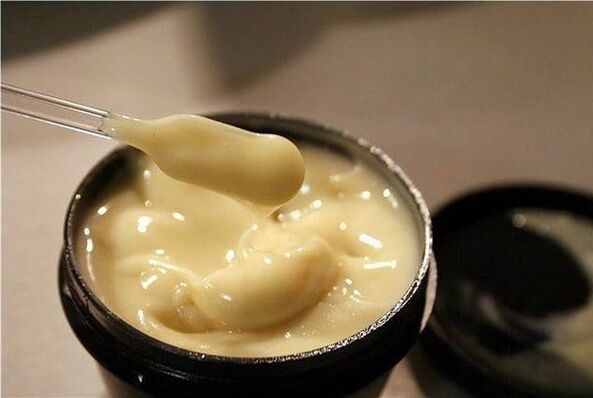
Another good remedy for arthritis of the shoulder joint is a mixture of fifty grams of elecampane and one hundred milliliters of vodka.After mixing the ingredients and boiling them for 12 days, the resulting ointment should be rubbed daily on the projected areas of inflamed bones and joints.
Decoctions and Tinctures
Decoctions and tinctures play an important role in folk medicine.The easiest to prepare, and at the same time one of the most effective infusions for treating joint diseases, is considered a mixture of one tablespoon of ground agave leaves with 150 ml of 70% ethanol.After two weeks of infusion, take the solution orally with twenty drops of water for thirty days.
For proponents of decoctions, there is a great remedy.To make it, you will need two tablespoons of lingonberry leaves and half a liter of boiling water.Once the ingredients are combined, place them in a thermos and brew overnight.Then take 150ml 3 times a day before meals.The course of treatment is 30 days.
compression and friction
To reduce pain and inflammation in the affected shoulder area, various dressings are used.The most effective one is considered a mixture of one liter of vodka and one hundred grams of clover.The drug should be infused for two weeks and should be used every night at bedtime thereafter.
Another simple yet effective remedy is to apply a compress of grated horseradish mixed with a little water until pureed.Put a handful of medication into gauze and apply it to the inflamed joint for 20-30 minutes.

bathing place
Bathing is widely used to treat various diseases of the musculoskeletal system.Due to the compound effect, good anti-inflammatory and anti-edema effects are achieved.
Preparing a bathtub is very simple; to do this, follow these suggestions:
- Fill the bathtub with hot water;
- Add about a kilogram of sea salt or regular table salt;
- Throw in a few pine branches;
- Pour in a few teaspoons of candied honey;
- Finally, add a teaspoon of turpentine.
The treatment consists of twelve baths.The duration of a program should be approximately twenty minutes.From the first use of the therapeutic bath, patients notice a significant improvement in their general condition and a reduction in joint discomfort.
prevention
Modern medicine has no specific measures to prevent joint disease.This is due to the polyetiological nature of the pathology.However, there are some non-specific measures that can significantly reduce the risk of developing this disease.There is primary prevention and secondary prevention.
The first includes:
- Take a walk outside every day;
- Use a contrast shower to enhance vascular tone;
- Treat joints gently and avoid excessive physical activity;
- Exercise moderately 2-3 times a week.
The second group includes the following:
- Thorough and comprehensive treatment of the arthritis process;
- Take calcium supplements regularly;
- prescription of chondroprotective medications;
- Physical therapy.